What Happens to Your Kidneys When You Take Too Many Supplements

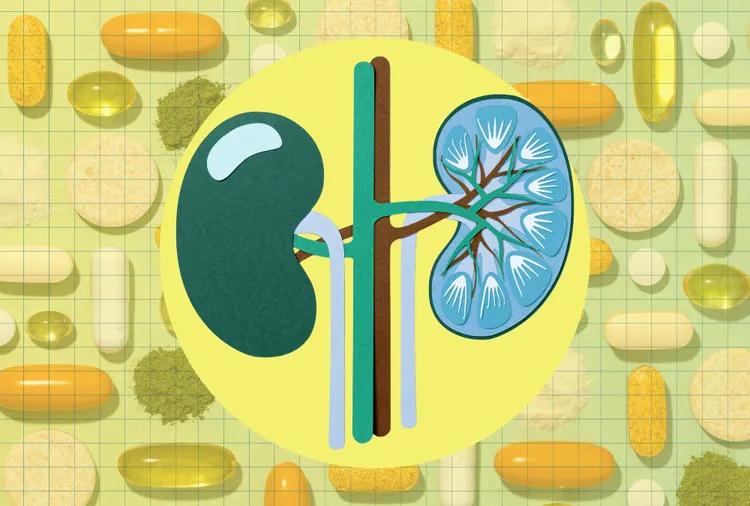
Human kidneys perform functions far beyond waste elimination. Nephrologists describe them as a multi-functional filtration, chemical, and fluid balance network working continuously to keep the internal cellular environment stable. Every drop of blood circulates through these twin organs to maintain fluid equilibrium, balance electrolyte concentrations, and clear metabolic byproducts.
While millions of adults rely on dietary supplements to correct clinical deficiencies or support physical performance, excessive or unmonitored intake introduces distinct physiological risks. Because the kidneys clear circulating compounds from the bloodstream, heavy supplement routines can overtax renal architecture, disrupt delicate mineral balances, and lead to structural tissue injury.
Increased Risk of Acute Renal Injury
Clinical data indicates that herbal and botanical formulations represent a growing proportion of supplement-induced kidney injuries. A common public misperception is that products labeled "natural" are inherently benign. However, active phytochemicals in botanicals like licorice root, aloe vera, and cat's claw can directly stress renal tubular cells, restrict localized vascular blood flow, or precipitate microscopic crystals within kidney tissue.
Furthermore, concentrated botanical extracts frequently interact with prescription drugs, increasing renal stress. Nephrology clinical reports warn that chronic exposure to unverified herbal combinations can lead to progressive interstitial inflammation, acute kidney injury, and irreversible parenchymal tissue scarring.
Elevated Susceptibility to Kidney Stones
High-dose supplementation with micronutrients like calcium and vitamin D directly impacts urinary mineral concentrations. Vitamin D enhances intestinal absorption of dietary calcium; when taken in excess, it elevates systemic calcium clearance levels through the urinary tract, particularly in individuals prone to hypercalciuria.
When urine becomes hyper-saturated with calcium, oxalate, or phosphate, mineral micro-crystals coalesce into solid kidney stones. Combining high-dose vitamin D regimens with calcium-containing antacids or dietary calcium supplements amplifies urinary saturation, significantly accelerating stone formation and urinary tract obstruction risks.
Disruption of Systemic Electrolyte Balance
Over-supplementation disrupts the complex mineral homeostasis managed by the kidneys. Renal tubules regulate precise levels of circulating calcium, magnesium, potassium, and phosphorus by adjusting how much is reabsorbed or excreted into urine. Megadoses of single-nutrient supplements disrupt these regulatory feedback loops.
For example, excessive intake of fat-soluble vitamin D raises systemic serum calcium, which can promote calcium calcification directly within renal tubules. This risk is particularly severe in individuals with pre-existing or undiagnosed reduced kidney function, whose organs already exhibit compromised filtration capacities.
Protocols for Protecting Renal Function
- Audit ingredient overlap: Inspect product labels carefully across multi-vitamins, protein powders, and targeted formulas to avoid unintentional double-dosing of specific fat-soluble vitamins or minerals.
- Consult clinical specialists: Work with registered dietitians or clinical nephrologists to evaluate supplement necessity, cross-check drug-supplement interactions, and establish safe dosage durations.
- Reject high-dose fallacies: Recognize that exceeding dietary reference intakes rarely yields additional physiological benefits and often accelerates toxicity risks.
- Select third-party verified brands: Choose products tested by independent analytical bodies such as USP or NSF to ensure purity, verifying the absence of heavy metals or undisclosed pharmacological adulterants.
Clinical Summary
Dietary supplements remain valuable clinical tools for targeted deficiency correction, but excessive usage presents real challenges to kidney health. High dosages and unvetted botanical blends increase risks ranging from nephrolithiasis (kidney stones) to accelerated renal function decline. Safe supplementation relies on label transparency, third-party quality verification, and routine oversight by medical professionals.