Children with Neurodevelopmental, Behavioral Disorders Face Greater Risk of Eye Disease
Despite developing myopia, amblyopia and strabismus at higher rates than their peers, these individuals were less likely to undergo corrective surgery for ocular misalignment.
In a recent study published in Ophthalmology, researchers from the United States examined associations between neurodevelopmental disorders (NDDs) and pediatric eye diseases.
The spectrum of NDDs is vast. For this study, researchers included children (age ≤18 years) diagnosed with attention-deficit hyperactivity disorder, autism spectrum disorder and learning disorders. Furthermore, behavioral disorders such as conduct disorder and oppositional defiant disorder were included. The risk of developing an eye disease such as amblyopia, myopia or strabismus was calculated using hazard ratios (HRs).
You read the research. But does it actually change anything tomorrow morning?
Most health news reports on early-stage findings that won't impact human lives for decades—if ever. We filter out the clickbait and send you concise, peer-reviewed breakdowns focused strictly on actionable biological insights you can use today.
Data from the TriNetX US Collaborative Network yielded 1,429,400 children with ICD-10-CM codes indicating a diagnosis of one or more NDDs or behavioral disorders. After 1:1 matching with a control group, researchers accepted 1,156,503 matched pairs.
The analysis revealed an increased risk of eye disease in children with NDDs and behavioral disorders. Calculated HRs for each ocular condition were as follows:
- Amblyopia: HR = 1.6
- Myopia: HR = 1.55
- Strabismus: HR = 1.66
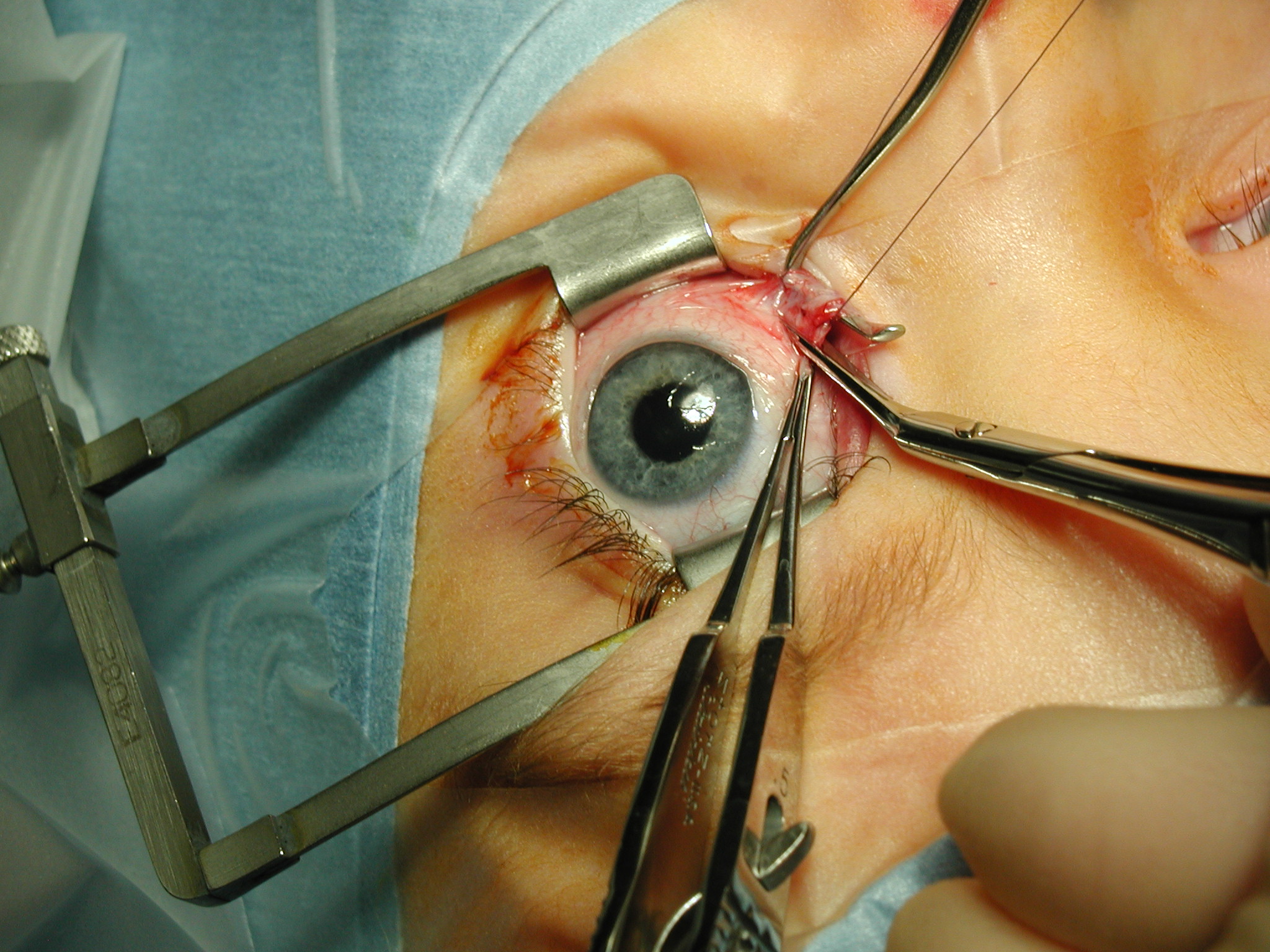
Upon analyzing the data, researchers noticed a statistic that they believe warrants further investigation: regarding strabismus surgery, children in the control group were more likely to receive treatment compared to those with NDDs and behavioral disorders (28.4% vs. 19.2%). Since multiple factors could have influenced the surgical decision-making, researchers noted that this result should be interpreted cautiously.
“Although causality cannot be inferred,” wrote the authors in their paper, “these findings support increased clinical vigilance, timely ophthalmic referral and developmentally informed vision screening strategies for children with NDDs or behavioral disorders.” Looking ahead, they argued that “further prospective studies incorporating detailed ophthalmic phenotyping and longitudinal visual outcomes are needed to clarify mechanisms underlying these associations, including factors contributing to differences in strabismus surgery rates.”